Autumn temperature reductions trigger aggregation pheromones in brown marmorated stink bugs and boxelder bugs, prompting them to seek shelter inside vertical mortar joints, clapboard overlaps, and rooflines across…
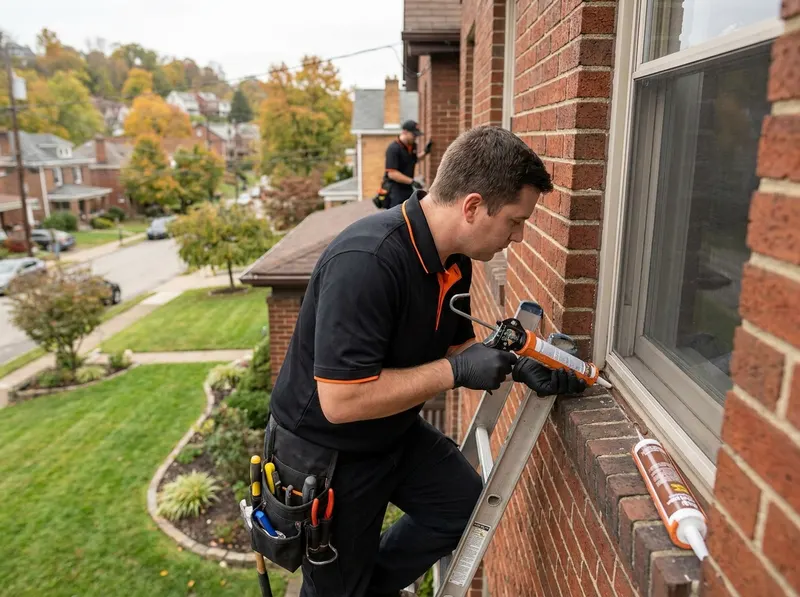
Autumn temperature reductions trigger aggregation pheromones in brown marmorated stink bugs and boxelder bugs, prompting them to seek shelter inside vertical mortar joints, clapboard overlaps, and rooflines across Allegheny County. In neighborhoods like Shadyside, Squirrel Hill, and Highland Park, mature architectural homes feature wood-lap siding, decorative soffits, and historical brick venting that offer direct passage into structural framing. Left unsealed, insects move through utility penetrations into interior baseboards and crown molding, disrupting household rest throughout the winter months whenever heating systems elevate wall void temperatures. Indiscriminate interior aerosol spraying fails because it cannot reach insects resting behind insulated drywall; mechanical structural sealing establishes an impenetrable boundary that preserves indoor air quality without airborne chemical loads near children and family pets.
Effective defense requires executing physical perimeter seals prior to the initial sustained autumn freeze, usually between late August and mid-October. Siding configurations on steeply pitched structures in Mount Washington or rowhomes along South Side Flats and Lawrenceville concentrate heat on south- and west-facing walls, producing thermal microclimates that attract swarms by the hundreds. Physical exclusion combines elastomeric silicone sealants on siding joints, 20-mesh stainless steel screen backings across attic gable vents, and targeted, rain-fast pyrethroid or essential botanical perimeter barriers applied beneath the lower eaves. If a home already hosts aggregated populations inside wall framing, exterior sealing prevents new entries, while selective attic treatments reduce interior emergence without staining walls or producing defensive odor releases.
Choosing permanent structural exclusion over perpetual reactive fogging eliminates the need for repeated interior insecticide applications. Standard spray-only treatments breakdown under ultraviolet sunlight within 21 to 30 days, leaving exterior facades vulnerable as nighttime temperatures drop. Mechanical barrier exclusion physically resolves structural access gaps, providing multi-season resistance against fall invaders and spring cluster flies alike. While manual caulking and screen installation require a larger initial investment of time and labor than basic pesticide sprays, mechanical barrier methods maintain architectural integrity, avoid toxic indoor exposure, and prevent structural contamination across Bloomfield, Brookline, and East Liberty residences.
Every job gets a firm, written price after a free on-site visit.
Tell us about your overwintering stink bug and boxelder exclusion job in Pittsburgh and we'll send a clear, written quote, usually the same day.
 Rendivo Exterminators